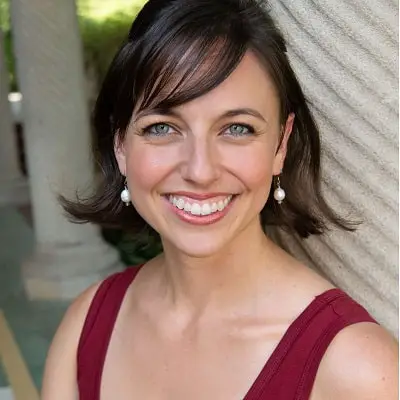
Day in the life of
Piano Teacher – Erika Gingery

As a teacher, I start my day with some form of professional development as often as possible. Sometimes I watch a Masterclass from a respected piano pedagogue on Youtube, sometimes I study new teaching literature that can benefit my students, and sometimes I revisit one of my more authoritative textbooks from my master’s degree work. As a piano teacher, I’d get ‘left in the dust’ if I stopped learning every day! This is usually not more than 30-45 minutes.
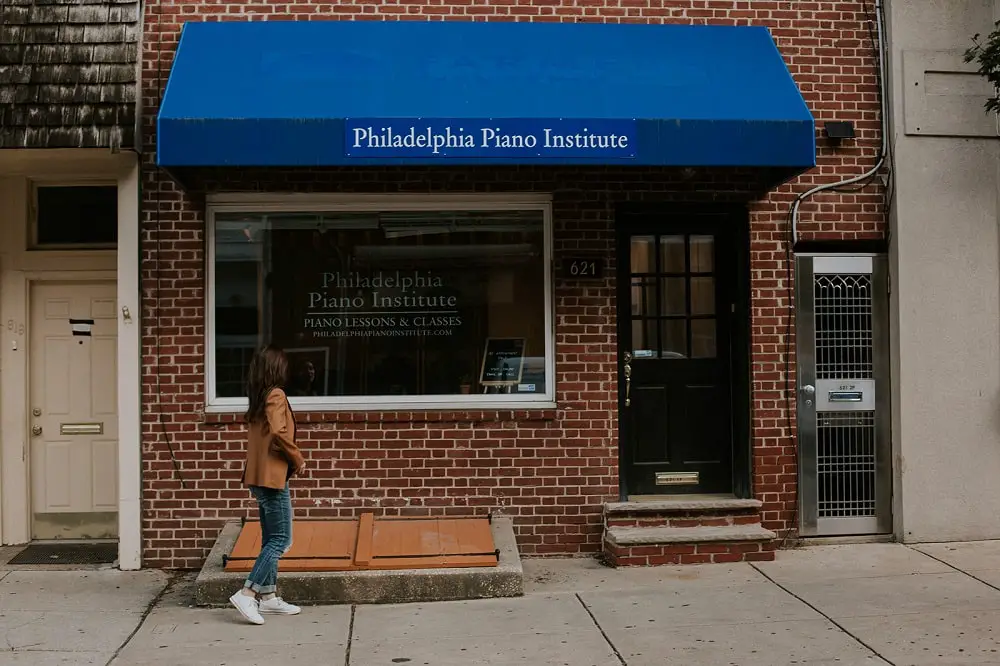
Then I tackle correspondence with current students and their parents. I have to send lesson materials to new students, answer questions, and more.
The third component is the actual teaching, which seems like it’s only half the job of a professional teacher. In my industry, most teaching happens between noon and 8PM, and my heaviest days may include 8-10 private piano lessons.
When the teaching is done – more correspondence. Emails are an often untalked-about part of the job.

Pros
There are so many pros to being a piano teacher from every angle you look at it, but the ones mentioned below are the top in my opinion.
- I never feel guilty spending too much time on my favorite thing – music. Even when I’m listening to, play, or reading about music, it all keeps me up to date while also finding it personally relaxing.
- I get paid to do two things I really enjoy: music and psychology. I’m not a psychologist by any means, but I had to take psychology courses in earning my pedagogy degrees, because to be a good teacher requires knowing and understanding people’s behaviors and learning styles. I also have to practice regularly to keep up my playing technique, which is not what student’s pay for directly, but I consider it part of the job.
- It’s an opportunity to build relationships with people who care about the same thing – learning to play their favorite music on the piano.
- I get to help people achieve their bucket list items. This is definitely more common for adult students, but where I teach, it’s mostly adults 25+ years of age taking lessons.
- I get to create a learning experience that changes people’s perspectives on “boring” traditional piano lessons.
- There’s never “not enough” music for students to play. People have been writing music – good music – intended for the piano for hundreds of years and will continue to do so.
- Work hours: I’m in charge of my time and schedule. The majority of students are available from noon to 8 p.m., but I’ve also had days where I worked “traditional” hours teaching from 10:00 a.m. to 6:00 p.m.
Cons
To be honest, it’s a challenge for me to think of cons to being a piano teacher, especially if anyone resonates with the pros I listed above, but here is what I came up with.
- Work hours: It’s a pro, but also, me – or anyone – being a morning person, working mostly afternoon and evenings is not optimal.
- There are no salary or benefits. This goes for piano teachers that are self-employed, but the reality is not every music studio, school, or institution can offer it either. It typically has everything to do with the way the market
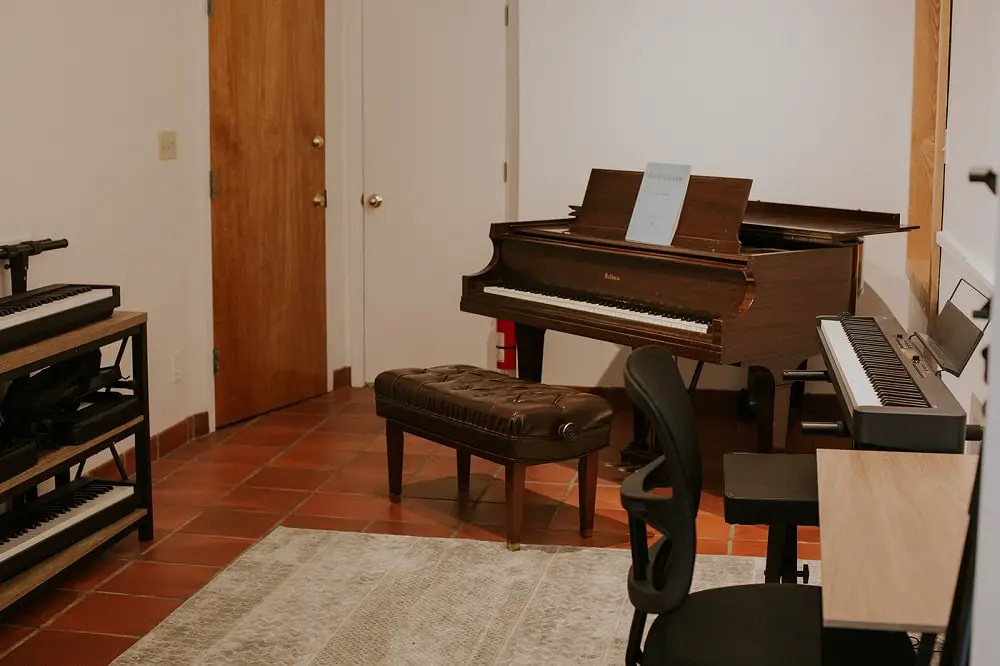
- The piano is not a portable instrument. Not only do students admit they get nerves during lessons but the instrument is also different from the one they practiced on all week. This is something every pianist and piano teacher is aware of and just deals with, but when compared to other lessons of other instruments, it makes piano teacher’s job a little more difficult, because the student may not present their music as well as they did at home.
- Lastly, a common misconception is that piano lessons are a service versus an education. It’s tricky to quantify because like a service, students “hire” the teacher for as many lessons as they want just like they’d hire another service worker to perform any other weekly task, but like an education, students are paying the teacher for his or her knowledge and guidance in helping to gain new skills. This isn’t exactly a con to the job, but it’s something that affects client relationships and market rates for teacher pay.