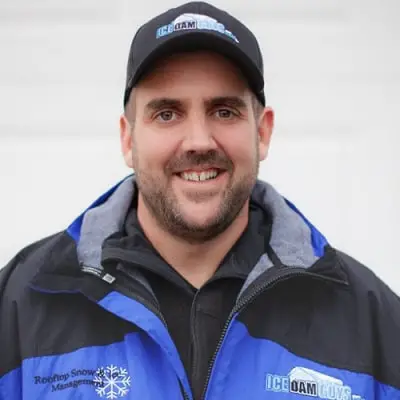
Day in the life of
Hospitality Specialist – Karen Condor

I worked as a hospitality specialist for The Blood Connection, a regional blood centre headquartered in South Carolina, taking care of our donors through each step of their donation process.
Typical day
It’s a challenge to describe a day working as a hospitality specialist at a blood centre as “typical” due to juggling several responsibilities, starting with completing the checklist for opening procedures, which included filling inventory for everything from medical supplies to the donor refreshment area.
My daily duties including greeting donors, ensuring they met with a phlebotomist quickly, checking on them while they were donating to see if they needed refreshments or blankets or other assistance, looking in on them when they were moved to the donor refreshment area, and sharing donor rewards and any other information with them before they left the centre.
In addition to taking care of donors and guests who came to the centre, my daily duties included making donor recruitment calls whenever I had a free moment. I also kept all donor areas cleaned and assisted the phlebotomists when needed.
Key responsibilities
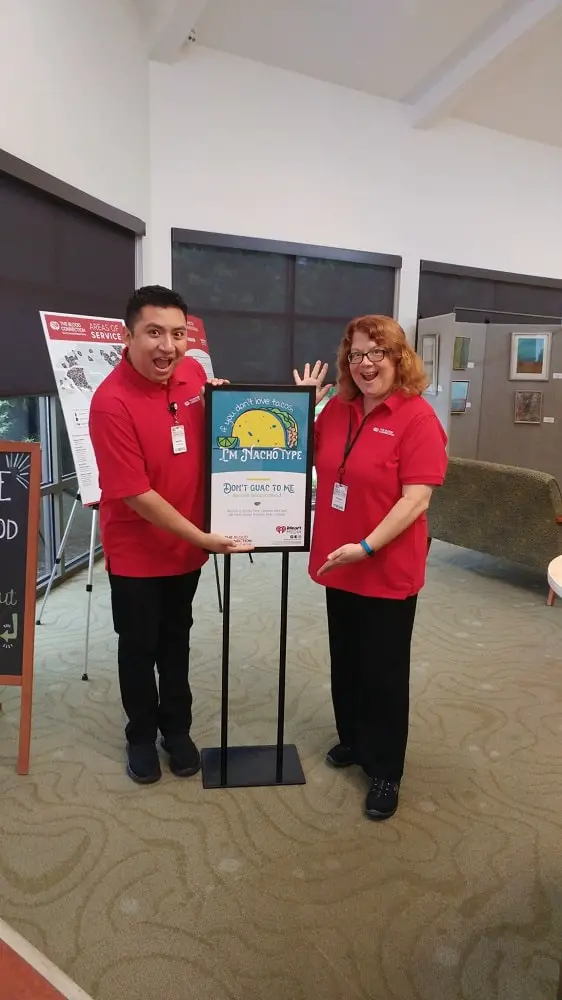
My key donor responsibilities included staying “close to the customer” and maintaining effective communication with them at all times through active engagement in the donation process and interpretation of the pulse of the current operational situation or circumstance.
My key operational responsibilities included maintaining effective working relationships with collection staff and management to assure that the donor flow is expedited and efficient, performing reception and telephony duties, assessing donor eligibility, providing education materials, and performing donor collection support tasks such as mixing and sealing blood units and placing blood units into storage refrigerators. I also stocked the donor screening room, the donor collection room, and the donor rejuvenation room.
Pros
A monumental benefit of working in the medical field is helping to save lives. Team members always become emotional during our blood centre’s annual meeting, when our director showed specific numbers and shared personal stories about how many people benefitted from all of our hard work in recruiting donors for blood, plasma, and platelets, and developing relationships with them in hopes they would become frequent donors.
A benefit of working in the medical field is that you receive better customer service. Knowing the emotional labour involved in dealing with difficult people, I am more pleasant, patient, and empathetic to other service workers, who show their appreciation for my efforts.
Treating customer service staff well in other industries has resulted in everything from receiving extra discounts at a car dealership to being invited to taste test new menu items at a local restaurant.
Cons
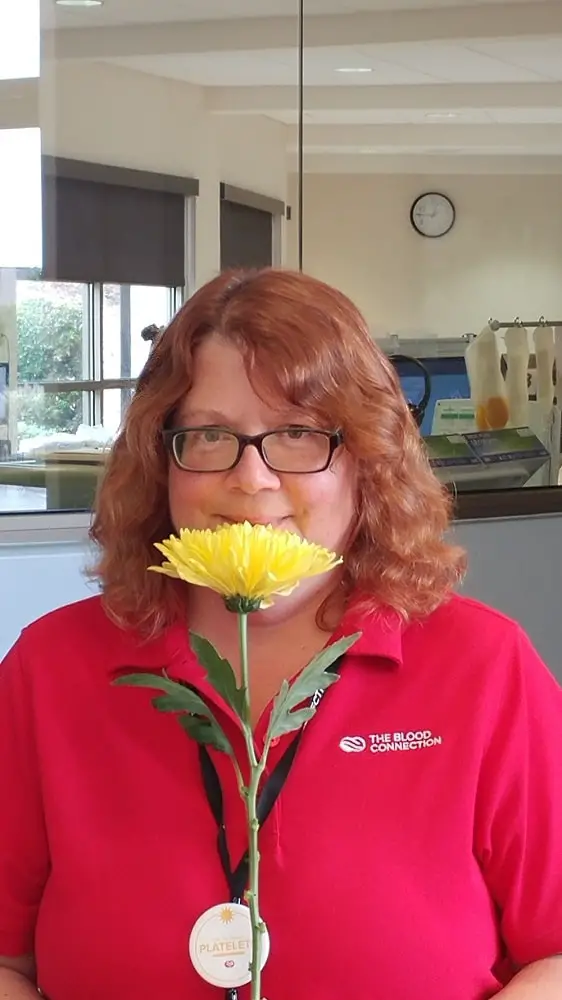
The cons are keeping a pleasant and helpful demeanour in the face of difficulty. You can find yourself in exasperating situations, such as repeating the same information over and over again or trying to do eight things at once, but you must maintain a healthy perspective as well as a sense of humour to continue to provide the care that is needed.