Day in the life of
Pole and Aerial Instructor – Sophie Green

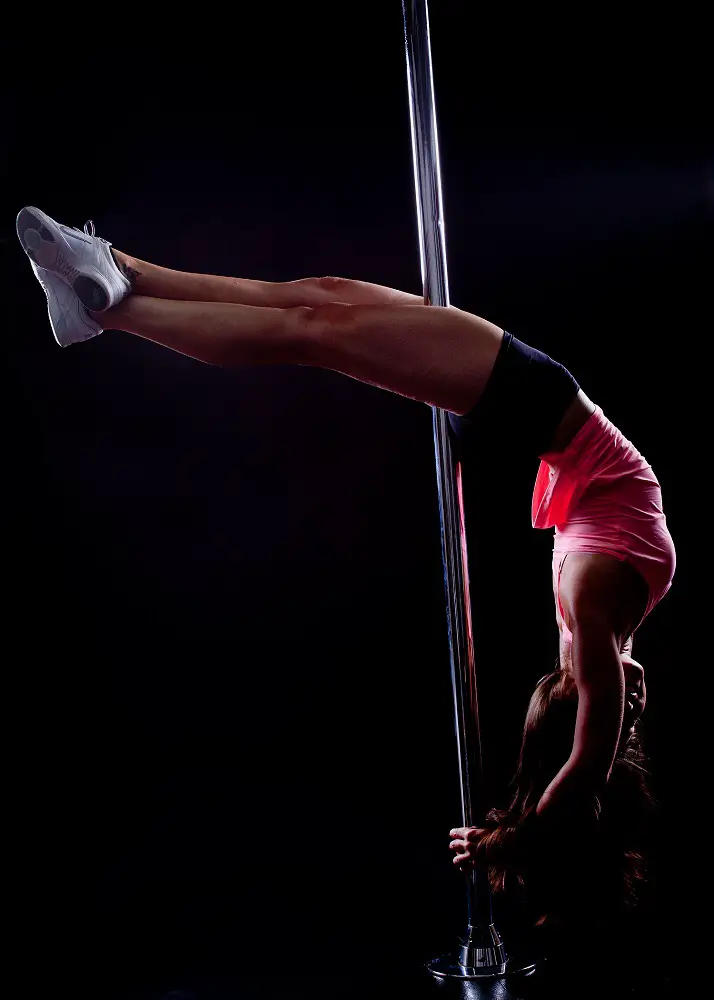
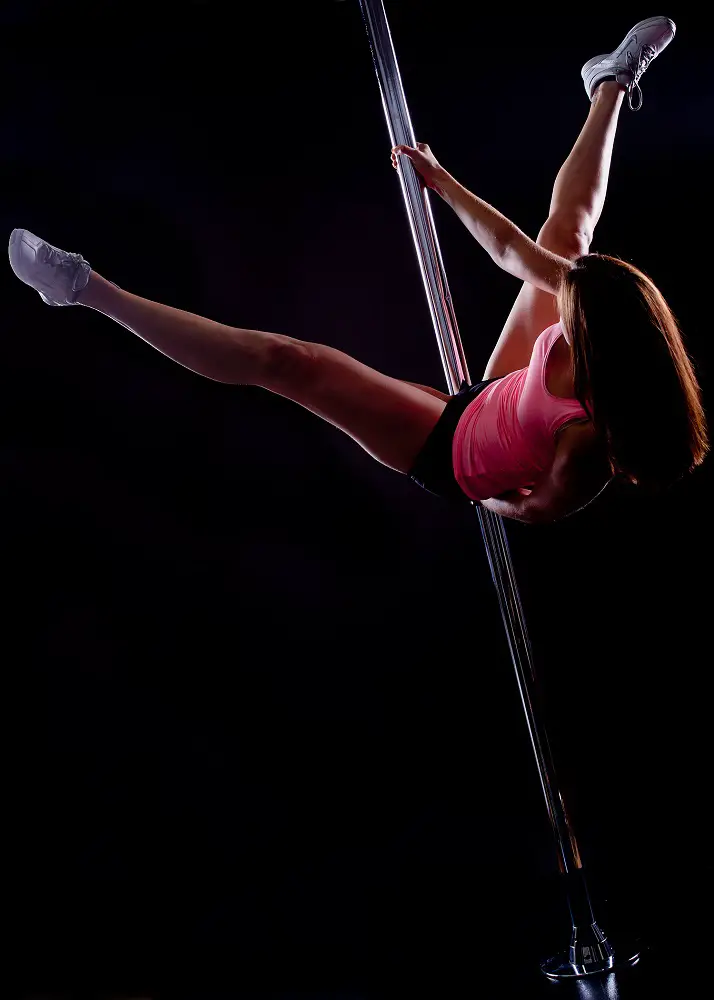
I’ve been working as a pole and aerial instructor for the last ten years. I’ve been doing it for so long because I passionately love both disciplines so much. I started teaching pole fitness first and then integrated aerial silks and Lyra into my repertoire. It’s safe to say that my work and hobby are the same things. I’ve taught a good few hundred students in those years and have gained several pole and aerial instructor certificates as well as exercise to music.
My Typical Day
9:30AM
On a typical day, I get to the studio at around 9:30. On arrival at the studio, I unlock the doors, turn on the lights and sound system. Next, I do a quick once over of the studio to make sure the floor and toilets are clean. I pop any towels into the washer and set it going. If there is anything in the washer from overnight I pop it to dry on the airer. After that, I do a visual safety check of the poles and aerial equipment. Once all the housekeeping is done, I double-check which students I have in class that morning.
10AM
My first class starts at 10 am, it’s usually a group class with around 6 students on a weekday. Weekend daytime classes are usually full with 18 students.
11AM-3PM
Between 11 and 3 I teach privates. These are usually filled with just one student having a one to one session with me. When I teach depends on the student’s particular needs. These classes are back to back so I grab a bite of my sandwich when I can and keep hydrated. If I have an empty slot I will use my massage gun to try and recharge my muscles a little. I also use these slots to lesson plan for any students.
3PM
At 3 I go home, rest, and refuel.
6:30PM
Then at 6:30 I head back to the studio for the evening sessions. These sessions are usually full with around 18 students, there are 2 to each piece of equipment. There are three evening classes which are 50 minutes long. There is ten minutes between classes for the students to clean their equipment ready for the next group. Between classes, I quickly swap clothes, refill cleaning sprays and check what the lesson plan is for the next session.
Saturdays
Saturdays’ I teach group classes 10-3 and have the afternoon/evening and Sunday at home.
I have one day off in the week to plan lessons. It’s also a day to try and recharge my muscles. It’s really buddy but I genuinely love it.
Pros
- There are many awesome things about working in this industry the most important being the joy of teaching others these amazingly fun alternative forms of fitness. The sense of satisfaction when someone nails a new move is incredible, it’s almost as exciting as when you’d mastered it yourself.
- Be it getting fit, losing weight, or overcoming anxiety when you deliver the service they want it can play a huge part in transforming some students life both mentally and physically.
- If you set up on your own you control when you work and what you earn, however, if you work at someone else’s studio they may dictate to a certain degree how much and when you can work.
Cons
- They say that when you truly love what you do it’s not really a job. If you love exercise and fitness and more specifically aerial arts & pole fitness your workday will be like going to the playground. However, whilst you generally get to choose your own hours, unfortunately, you will probably have to work some evenings and weekends which if and when you have a young family can be problematic. When first starting out as an instructor it can be hard to find enough students to teach but on the flip side if you are good at what you do you can be teaching all day long 7 days a week which can lead to muscle fatigue and injuries if you don’t take adequate rest.
Advice to students wishing to pursue a career as a Pole and Aerial Instructor
Starting your journey to be a pole and aerial instructor is really exciting. The first thing to do is have some lessons in these disciplines. Reputable instructor courses recommend that you have at least 12 months of experience before enrolling.
There are a couple of really good courses which are accredited by multiple worldwide organizations such as ACE (Americal Council on Exercise) and REPS (The Register of Exercise Professionals). You have the option to join a face to face, online or blended courses.
Nothing, other than having experience in pole or aerial arts is currently required to register for these courses. However, many instructors do obtain additional qualifications like group exercise, anatomy, and physiology, personal training status, or even sports and physio degrees.
And of course, insurance and a first-aid certificate prior to teaching are a very good idea as accidents can happen.