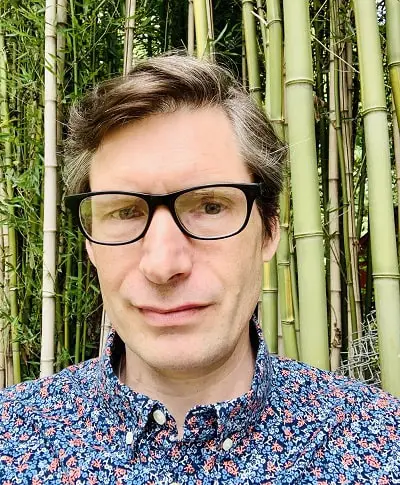
Day in the life of
Tunnel Engineer – Craig Anderson

I was a Tunnel Engineer. This is a niche type of Geotechnical Engineering, which itself is a type of Civil Engineering.
My typical day
Our base hours were from 8am to 5pm – but typically this would stretch on longer. I worked in a small consultancy, so much of our focus was on design. This could be anything from initial feasibility studies and outlining proposals for project tenders, all the way to fine-tuning designs on live construction sites as problems arose or situations changed.
Almost every day was spent either behind a computer or in meetings. However, some days would include site visits for inspections or research. We also have site placements where you’re on the construction site helping to supervise the work for months (or years – depending on the project!).

The actual work was typically a combination of calculations using Excel (and appropriate engineer codes), Finite Element Analyses software (creating models of a tunnel in an environment to assess structural stability, etc), as well as producing reports and working with teams from other disciplines on the project.
Typically, any Civil Engineering project is first set out by a client, then put out to ‘tender’. This is when different companies outline their solution with a basic design and budget. For tunnel engineering specifically, this feasibility study is heavily reliant on the type of ground the tunnel is to be within. In soft ground, you’re going to have a lot of complex reinforcement to install, while in super hard rock you might barely need any!
You could have the most perfect design in the world, but the real world environment might not always agree with it. This is rare in above-ground works, but in Tunnel Engineering we often get challenged posed from the ground. This could be anything from sudden water ingress, wedges of ground coming loose, concrete not setting properly, or cracking, etc. These often result in a fun scramble with the team on site relaying this to the design office, who rush to propose a solution, run the numbers, and feed the solution back to the site team.
Any ground engineering design is adapted around the environment we’re working with. Researching the site and ground we’re working with is crucial to understand how the ground will behave. This lets us propose the right level of structural support (and not apply too much which would be over budget).
A large engineering project is split into many teams. Generally, you’ll have those who design the project, and those who build it. Within any project, it’s important to have representatives from the design team (or company) who are on hand to make sure the structure is being built to spec.
Any structural design – especially underground – needs to pass rigorous checks before being built. Mainly these are to do with design codes – regulations passed by a country to which a design must adhere to. This involves proving your structural capacity through various checks. Always done to certain factors of safety. For example, ensuring that your tunnel is not only strong enough but at least 30%-50% over the required capacity.

Pros
The actual engineering work was a massive pro. It was challenging but a positive environment to solve problems. It’s very gratifying to know that the hard work you put in to designing something will eventually lead to an entire structure that will last for centuries. There’s often a variety of projects, each with their own obstacles to tackle, and plenty of job and travel opportunities within the industry. Engineering as a whole is very interconnected, so there’s always a lot going on with societies and conferences.
Cons
For me, the downside was the paperwork/bureaucracy. As with any corporate role, having to put up with management, pointless meetings, being overworked for deadlines, demanding clients, and all those sorts of things were the major con. A change of company director changed the environment within our company to quite a toxic one, with a lot of mismanaged effort and applied pressure. That being said, all of this is avoided in a great company with competent management.