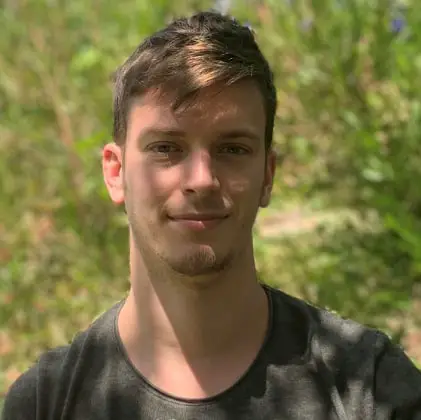
Day in the life of
Vineyard Consultant – Christopher Mark

I work in the agriculture industry as a vineyard consultant.
A lot of my day is office work, talking with clients, doing GIS and grinding map work, reading research papers and books.
The farming side is seasonal, we get busy in the spring through the summer (usually starting with budbreak which in our wine region is usually the end of April) and our work tails off before harvest. During that time we do a lot of specialized soil sampling and run surveys like electrical conductivity and drones. We also have a weekly industry newsletter and podcast so we do activities, like interviewing, around that.
There are two versions of my typical day, one where I spend most of my day in the office and in meetings. This kind of day is more like a “normal” office job. I’m meeting with my team on vineyard projects – do we need new fertiliser calculations for this client? How have the dosing pump calibrations gone? Do we need to hire a part-time employee? More normal business stuff. As well, a good chunk of my day is spent generating and analyzing maps for clients, for example of soil electrical conductivity or soil sampling data. And then creating reports/sending emails to clients (or potential clients) with this information and interpretation.
The other version of my day is what I am currently doing. First thing in the morning I’ll meet the vineyard owner or manager at their site and do a brief site survey with them based on the information they’re looking for. Then, I’ll spend the day conducting the survey before returning home to process the data and give them an initial look. For example, we are currently running an electrical conductivity survey which means walking the site with the vineyard owner, then setting up all the equipment (GPSs, EM38, laptop with programs, etc.) before hooking the sled up to the ATV. Then I spend the entire day driving the property and gathering data. Currently, I’m cleaning up the data at the office which means removing metal grates I ran over or looking for wild swings in EC values suggesting equipment issues. Once it’s cleaned, I’ll do a quick analysis to make sure we’re getting high quality data. That way if we have equipment issues, or there’s a problem with the site, I can make changes before heading out again the next day.
Pros
The pros are lots of outdoor work so you’re not always at a computer. It’s also very intellectual, you’re having to provide solutions for clients in a very complex environment and that means reading and talking to people all over. The work is as varied as you’d like. Plus we get to play with toys like $15,000 drones and multispectral cameras and electrical conductivity machines…
Cons
The cons are that it’s a challenge to make consistent revenue as a consultant. First, because the work is seasonal so you need enough work for 3/4 of the year to tide you through the rest. There’s always stuff to do, even in the winter, but it’s slower and more around reading and building the business. Because we use a lot of complex equipment, that can also be a challenge as the more complex a tool is, the more frequently it breaks down. The last major challenge is the educational component. It takes a lot of work to educate clients on why just listening to their fertilizer rep isn’t a good idea – he’s there just to sell fertilizer and will interpret all your data in a way that makes them money, but costs you more and can harm your vineyard. The world of viticulture is changing and understandably, people are used to doing things one way. But we’ve realized that way harms both our soil and our environment, dumping huge amounts of nitrogen isn’t good for anyone other than the people selling nitrogen. It takes a lot of work to explain factors like that.
But overall it’s a great job. The wine industry is a super-fun industry and it’s more collaborative than other industries I’ve worked in. When one winery finds international success, it benefits all the other wineries so it fosters some industry unity. Plus – the parties are better.